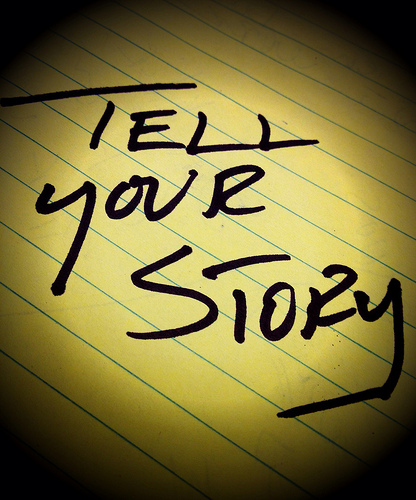
Much is written about the power of story in organizations. The stories, when well told, have the power to inspire, uniting people around common goals and a shared vision. They can move people to action, prompting uncommon effort and extraordinary contributions.
Stories are the threads of organizational history. It is important to know where you’ve been in order to understand not only where you are heading, but why that direction was chosen. Celebrating milestones and successes is that much sweeter if the struggles of the past are appreciated, too.
Successful leaders are engaging storytellers. The “why” behind their decisions is woven in to the narrative they share. Effective leaders don’t preach mission and vision, they share organizational and industry experiences that bring the goals, and the path to get there, to life. Leaders pull people into the vision by describing an exciting future they want to be part of.
Organizational stories usually involve team members and some extraordinary circumstance. How “Joe” handled a challenging customer. How “Susan” led a team through a major change. How the executive leadership supported “Tom” when his home burned down. How “Ann” rose through the ranks and never lost her passion for the people. Storytelling is a form of evidence; proving that difficulties will happen but together we work through them, rise above them, and conquer them.
Sharing organizational history, your company’s “once upon a time”, starts in the interview. How do you introduce the mission of the company and tie it to the values you are looking for? How do you talk about the purpose of the job and the importance of the work? What piece of company history will draw the right candidate in? Do you lay the groundwork for the attitude and excellence expected? Storytelling continues through orientation, training, development, coaching, counsel, and celebration. At every turn, there is an opportunity to share and add to the organizational legend.
As leaders, we have to own the story. It’s not someone else’s success; it’s our success. It’s not someone else’s vision, it’s our vision. It’s not someone else’s customer, it’s our customer. It’s not their history or their future; it’s ours. Pay attention to the words, the facial expressions, the energy and emotion you bring to the story. Your people are reading all of it.
Think about the stories you tell. What message are you sharing?
.
Further reading about the importance of story:
The Power of Story written by Greg Sattle for Forbes, August 22, 2015
The Indispensable Power of Story by Anthony K. Tjan in Harvard Business Review, April 15, 2014
Harnessing The Power of Stories by Jennifer Aaker for LeanIn.org
If I can help your organizational story-telling, let’s talk! Click here to send me your contact info.
Photo credit: Damian Gadal, used with Creative Commons license.